The diligence report answers one question. The 100-day plan answers another. Deal teams that treat them as the same document tend to find out the difference in the first quarter after close.
Two documents, two questions
Diligence tells you whether the manufacturing operation can support the deal thesis. Can this line hit the volumes in the model? Will the quality system survive an audit? Is there a single point of failure in the supply chain that nobody flagged?
The 100-day plan asks something else entirely: now that we own this, what has to happen first, in what order, and who is accountable for it?
I've seen deal teams hand the diligence findings to the new operating team and assume the punch list is self-explanatory. It rarely is. A diligence finding is written to inform a decision about whether to invest. A 100-day priority has to be written so that someone can act on it on Monday morning.
The friction is rarely technical
In my experience, the hard part of the first 100 days usually isn't the engineering. It's the organizational questions the diligence report was never designed to answer:
- Integration. Does the newly acquired company actually integrate into the existing structure, or does it keep running as a standalone island?
- Commercial alignment. Do the sales teams start working together, or keep calling on the same accounts separately?
- Calendar. Do capital and hiring follow the 100-day plan's calendar, or the corporate budgeting calendar?
Same finding, two very different readings
Take a finding like "the plan assumes the two sales organizations are combined by month three." To a diligence team, that's a line in the synergy case. To the operating team, it's compensation plans, account ownership, and customer relationships that all have to be worked out without losing orders along the way.
The handoff between diligence and the operating plan is where a lot of early value creation either gets built in or gets lost.
What a working handoff looks like
The fix isn't a longer diligence report. It's translating each material finding into something an operator can own:
- An owner. One named person accountable for each priority, not a function.
- A sequence. Which items have to be resolved before others can start, so the operating team isn't working ten priorities in parallel.
- A decision date. When each open question has to be answered, aligned to the plan's calendar rather than the next budget cycle.
- The context behind the finding. What the diligence team saw, and why it mattered to the thesis, so the operating team isn't rediscovering it.
When the investor doesn't own the company
A 100-day plan assumes the investor bought the company and can direct changes after close: combine teams, redirect capital, change leadership. A minority or growth investment works differently. A venture firm leading a growth round, or a family office taking a significant stake, gets a board seat and a voice, but management still runs the business. There's nothing to integrate, and the investor can influence the plan but not dictate it.
The diligence findings still have to turn into action. The difference is the form it takes: instead of an owner's 100-day plan, management and the board agree on a short set of execution milestones tied to the risks diligence surfaced. If diligence found that the line can't yet hit the volumes the growth plan assumes, the milestones might look like this:
- Second production line installed and qualified by the end of Q2
- Yield at or above an agreed target for three consecutive months by Q3
- An alternate source for the critical sole-sourced component qualified by year end
Each milestone has an owner and a date, and progress is reviewed at every board meeting. The discipline is the same as in a buyout — owner, sequence, decision dates, context. What changes is that the plan is shared between the board and management rather than directed by a new owner.
Whether you were the diligence team or the operating team receiving the findings, what's the gap that shows up most often?
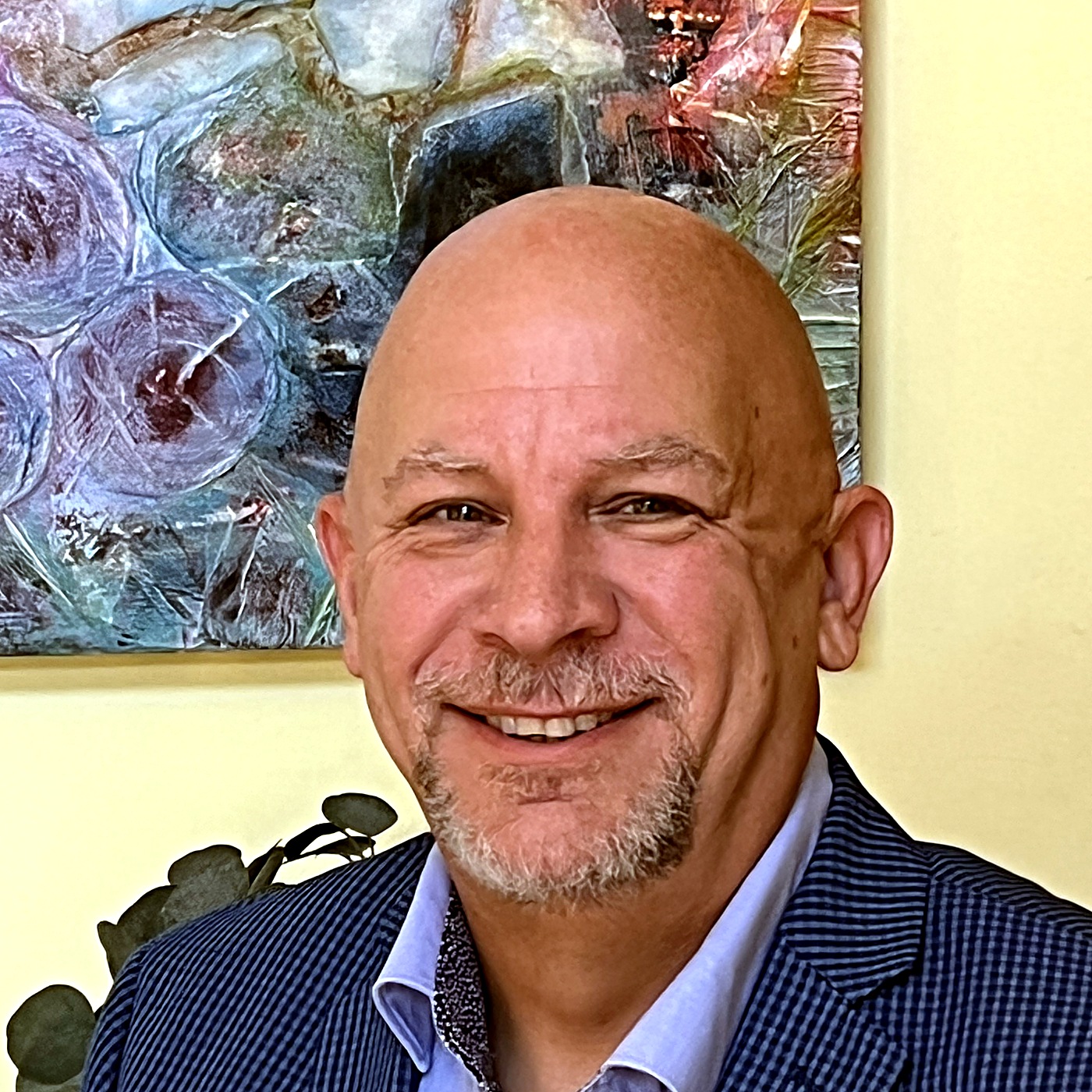
Chris Steadham is the founder of Truestead Advisors and has spent 30+ years in medical device product development, manufacturing scale-up and general management. Working through a question like this on a deal or a program? Start a conversation.