A capabilities deck tells you what a contract manufacturer can do. It doesn't tell you what they're already doing for everyone else competing for the same production slots — and that gap is where programs quietly go sideways after the ink is dry.
The deck isn't the diligence
Every CDMO evaluation starts the same way: a facility tour, a capabilities deck, a quote. All of it is true, and none of it answers the question that actually determines whether your program ships on time. Over three decades of scaling medical device manufacturing — in-house and through contract partners, in the US and in Germany — the questions that told me the most were rarely on anyone's agenda for the visit. Here are three I ask every time.
1. What's your real capacity margin, not your quoted capacity?
Almost any CDMO can point to an open slot on a production schedule. Far fewer can tell you what happens to that slot the moment their largest customer has a demand spike. Capacity on a schedule is a snapshot, not a commitment — and when two customers need the same equipment and the same trained operators at the same time, the newer or smaller program is rarely the one that wins that trade-off. The honest version of this question is: who gets bumped first when something has to move, and has that already happened to someone else in this building?
2. How does a deviation actually move through your building?
Not the SOP flowchart in the quality manual — the real turnaround time, and how many signatures a deviation collects before it closes. During steady-state production, this process gets exercised occasionally, and almost any system can absorb that cadence. During scale-up, deviations happen weekly, sometimes more, and a change-control process designed for the occasional case becomes the bottleneck for the frequent one. I want to see actual cycle-time data on recent deviations, not the documented target.
3. If your three most senior process engineers left tomorrow, what would still run correctly?
This is the question that reveals whether a process's stability lives in a controlled document or in a handful of people's heads. The best operations I've worked with are almost boring in the right way: the knowledge is written down, trained into multiple people, and auditable without anyone needing to call a specific person for context. The ones that struggle tend to run beautifully right up until a key engineer takes another job — and you don't find out which kind of operation you've signed with until that happens.
A proposal tells you what a CDMO can do in principle. It doesn't tell you what they're already doing for every other customer competing for the same equipment, the same quality system bandwidth, and the same institutional knowledge.
None of this shows up in the capabilities deck
Getting a real answer means walking the floor, asking the people running it, and asking for data instead of assurances — before the program is committed, not after.
What's the question you ask a CDMO that tells you more than their capability deck ever does?
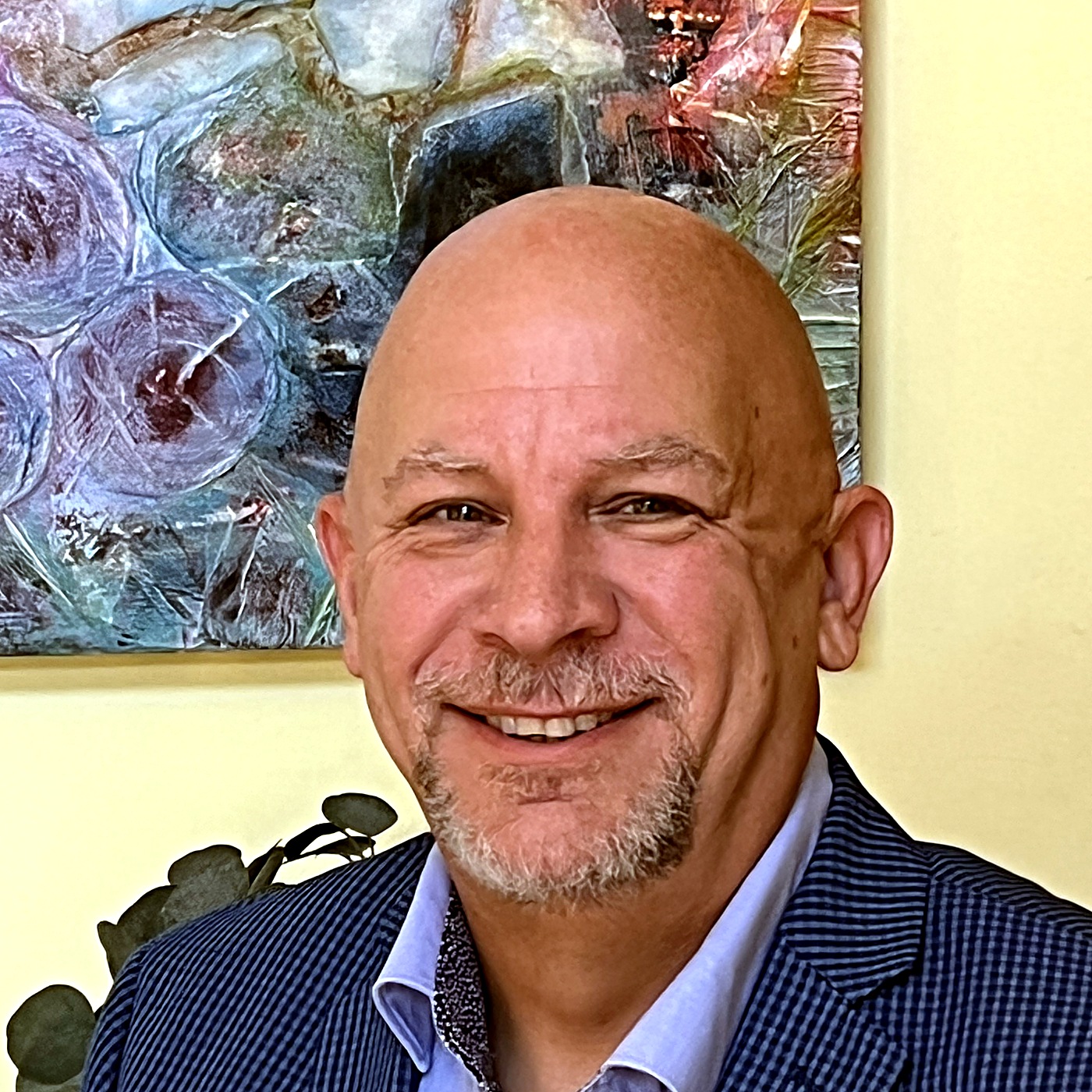
Chris Steadham is the founder of Truestead Advisors and has spent 30+ years in medical device product development, manufacturing scale-up and general management. Evaluating a CDMO relationship, or inheriting one through a deal? Start a conversation.