In a deal model, a manufacturing transfer between the US and Germany can look simple: move production, lower costs, and start realizing savings in year two. Having worked in medical device operations in both countries, I've learned that the line item often hides most of the work.
The savings may be real. The timeline is where the risk hides.
Moving production to Germany can bring manufacturing closer to European customers and an established base of skilled technicians. Moving to the US can bring production closer to a major market and simplify serving US customers.
But a favorable labor-rate comparison doesn't tell you when the receiving site will be qualified, validated and authorized to supply the market.
Before building transfer savings into a deal model, investors should ask five questions.
1. Which regulatory requirements change, and who must approve them?
A new manufacturing site can trigger regulatory submissions, updates to registrations or listings, quality-system assessments, and additional review or inspection requirements.
For a PMA-approved device in the US, a manufacturing-site change may require an FDA supplement and prior approval before product from the new site can be distributed. The applicable requirements depend on the device and the nature of the change.
In Europe, a change may require notification to the notified body and an assessment of whether the certified quality management system remains compliant. Additional review or an audit may be necessary.
The investor question: Has the regulatory team mapped the required submissions, assessments and release conditions into the transfer schedule?
2. Has anyone assessed the German works council and employee implications?
A manufacturing transfer involving a German facility can have consequences beyond equipment, buildings and production capacity.
Depending on the circumstances, changes to operations may trigger works council consultation, negotiation obligations, employee-related costs, or a social plan.
These obligations should be assessed early with appropriate German labor counsel. They should not be treated as an administrative task to resolve after the deal closes.
The investor question: Have the employment implications, consultation requirements, potential compensation costs and associated timing been assessed and included in the transition plan?
3. What does the process documentation actually say, and what does it leave out?
A process that has run reliably for years may depend on knowledge that never made it into the work instructions.
Experienced operators often know which process parameters require close attention, how equipment behaves under different conditions, and which subtle changes signal a developing problem.
Translating documents is the easy part. Capturing undocumented process knowledge requires time on the production floor with the people who run the line.
That knowledge must then be transferred, documented and demonstrated at the receiving site.
The investor question: Is there a structured plan to transfer process knowledge, train personnel, and demonstrate that the receiving team can consistently reproduce the required product quality?
4. Are the materials, suppliers and specifications truly equivalent?
The same material or component may have different grade designations, specifications, suppliers or manufacturing characteristics on opposite sides of the Atlantic.
Even when drawings appear similar, differences in tolerances, measurement methods, test requirements or supplier processes can affect product quality and manufacturing yield.
Each difference needs to be assessed. Depending on the risk, equivalence may require documented engineering justification, testing, supplier qualification or regulatory evaluation.
The investor question: Has the team completed a documented assessment of material, component, supplier and specification equivalence, and identified which differences could require additional testing or qualification?
5. How much product and cash are needed to bridge the transition?
The sending site may need to continue production until the receiving site has completed validation and satisfied all applicable requirements for commercial release.
That can mean funding two operations at once, building inventory ahead of the transfer, and tying up working capital while the new site ramps up.
Inventory planning must account for demand, shelf life, product expiration, and the possibility that the transition takes longer than expected.
If approval or validation slips, the bridge may need to stretch with it.
The investor question: Has the financial model accounted for bridge inventory, dual-running costs, working capital and the cash impact of a delayed transition?
What a realistic transfer plan looks like
A credible plan connects regulatory requirements, employee considerations, process knowledge transfer, supplier and material qualification, validation and inventory coverage on one integrated timeline.
It also includes a downside case: What happens if validation takes longer, additional testing is required, or regulatory review delays the first commercial shipment?
The financial model should reflect those realities, with savings beginning when the receiving site can actually supply the market, rather than when the transfer was expected to be complete.
For investors, the savings case depends on two numbers: when the savings start, and how much the transition costs before they do.
What part of a cross-border manufacturing transfer has taken longer, or cost more, than you expected?
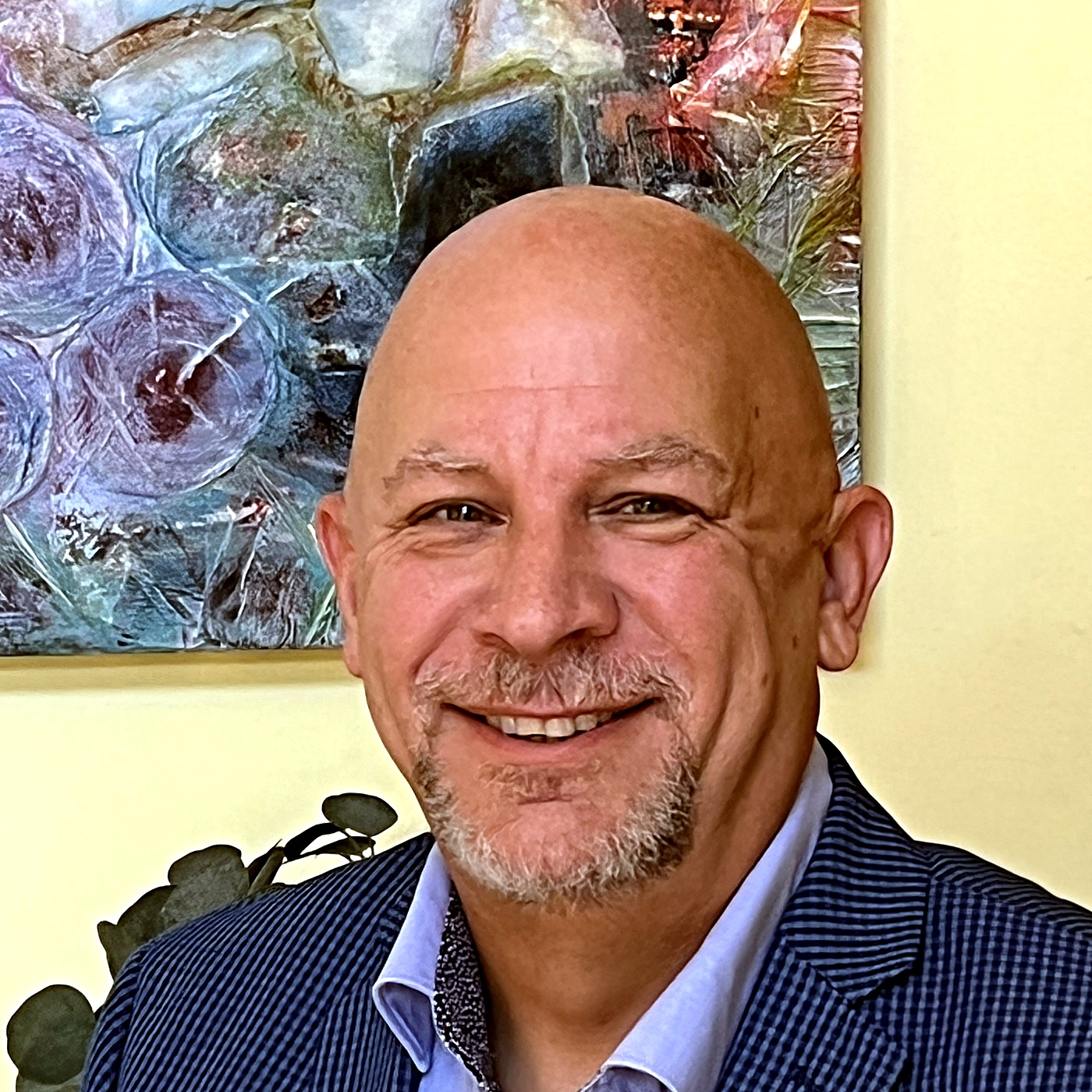
Chris Steadham is the founder and principal of Truestead Advisors and has spent 30+ years in medical device product development, manufacturing scale-up and general management. Evaluating a deal that depends on moving production? Start a conversation.